
Agriculture is the backbone of Uganda’s economy, employing over 60% of the working population and contributing roughly 24% to the national GDP.
However, despite Uganda’s fertile soils and vast agricultural potential, approximately 23% of Ugandans experience food insecurity. One of the major drivers of this paradox may be the aggressive shift from traditional food farming to commercial cash crop farming.
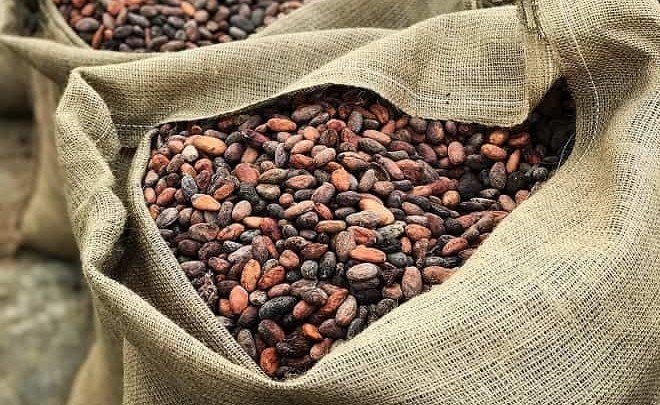
As international and domestic demand for cash crops such as coffee, cocoa, and sugarcane grows, smallholder farmers are increasingly converting food-growing land into commercial fields. Traditional staple foods such as bananas (matooke), cassava, millet, and beans are being uprooted to make room for perennial cash crops.
This structural shift drastically reduces the volume of food grown for direct household consumption.
The transition to cash crops is often promoted as a pathway out of poverty, based on the assumption that increased cash income will allow farming households to purchase the food they no longer grow themselves.
But this model comes with a major vulnerability.
Payments for many cash crops often come only once or twice a year. Households are then expected to budget these lump-sum payments across several months while continuing to meet school fees, healthcare costs, household expenses, and food needs.
When that income runs out before the next harvest or payment cycle, families that once relied on their own farms for food can suddenly find themselves dependent on markets they may no longer be able to afford.
The result is a troubling contradiction: a household may be producing a valuable export crop while struggling to put food on its own table.
This does not mean Uganda should abandon cash crop production. Coffee, cocoa, sugarcane, and other commercial crops remain vital sources of household income, export revenue, and economic growth.
The challenge is ensuring that the growth of commercial agriculture does not come at the expense of household food security.
To mitigate this risk, local governments should actively enforce bylaws requiring smallholder farms below five acres to reserve at least 35% of their acreage for climate-resilient food security crops.
At the same time, off-takers and exporters of cash crops — including sugar mills, cocoa buyers, and coffee exporters should integrate food security metrics into their out-grower and contract farming arrangements.
Contract farmers should be required and supported to maintain self-sustaining food plots as a condition of partnership.
This would allow Uganda to pursue commercial agriculture without forcing smallholder households into a dangerous choice between earning income and producing food.
The success of Uganda’s cash crop boom should therefore not be measured only by export volumes, foreign exchange earnings, or the number of farmers enrolled in commercial value chains.
It should also be measured by whether the families producing those crops are food secure.
Because agricultural transformation cannot truly be called a success if the farmer growing Uganda’s export wealth cannot afford to feed their own household.