
Over the years, we have seen a lot of funding going into agriculture across Africa, but the reality is that progress has been rather minimal.
This is not to say that there has been no progress. There certainly has. Rather, the point is that, given the amount of investment and attention the sector has received, we should be much further ahead than we are today.
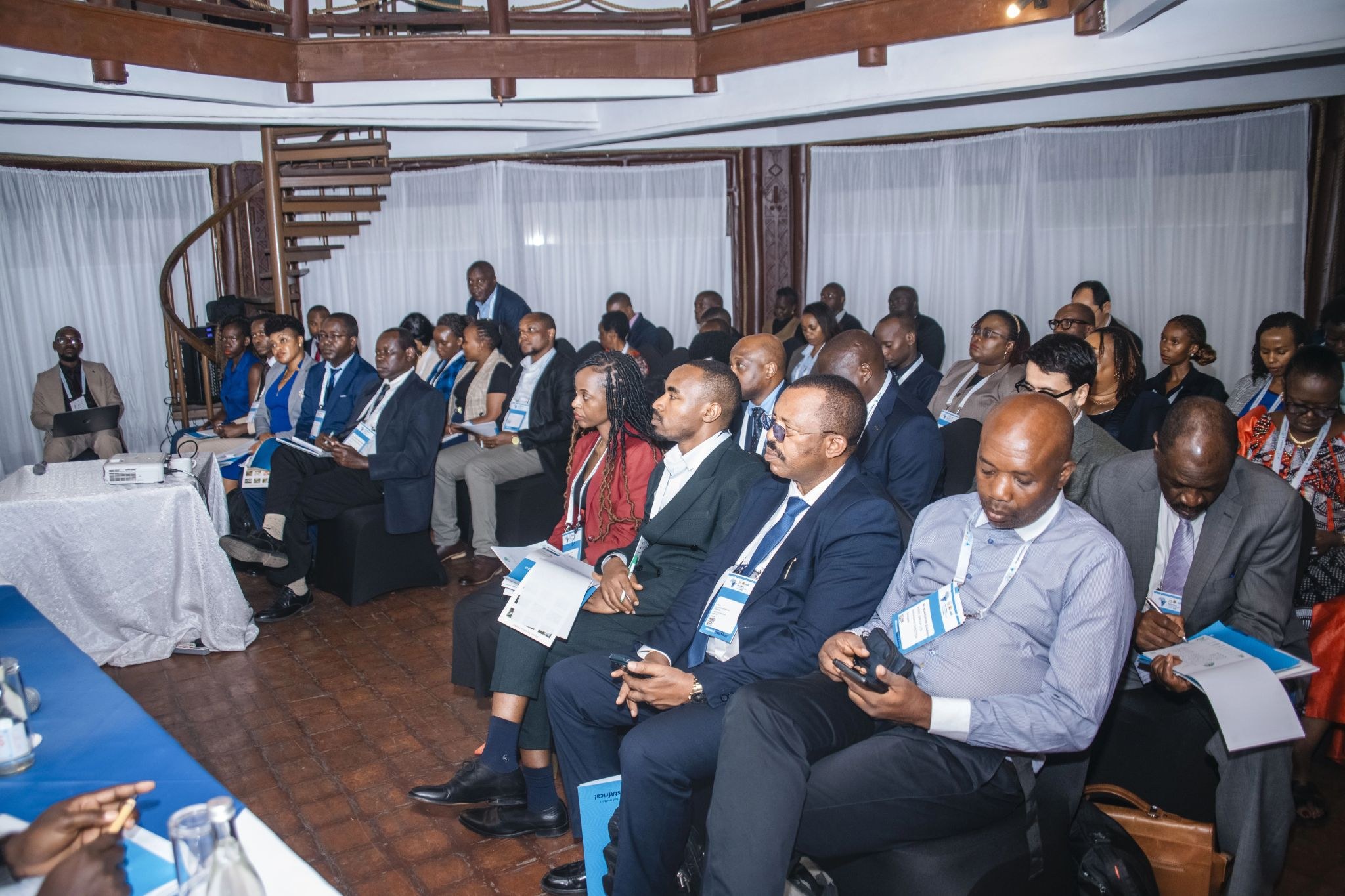
During the Agribusiness Side Chat discussion at #InvestEastAfrica, organised by the East African Business Council, Prof. Jean Jacques Muhinda highlighted one of the reasons why this may be the case: a lack of coordination and misaligned interests among the different actors involved in agriculture.
For some organisations and programmes, success has become a matter of numbers achieved and boxes ticked: How many youth were involved? How many women participated? How many persons with disabilities were reached? How many SMEs were supported?
Once those numbers have been achieved and reported, that is often considered enough.
This approach needs to change.
Africa needs a more holistic look at how we can transform agriculture. Funding alone will not deliver the transformation we need if the different actors across the agricultural ecosystem are working in isolation, pursuing different interests, or measuring success only through participation numbers rather than long-term outcomes and impact.
As Dr. Nega Wubeneh from AGRA put it during the discussion:
“We have been talking about the challenges of agriculture for a long time. We know the challenges and the solutions very well. The biggest solution is political, which we have no control over.”
That observation captures an important reality.
The challenges facing African agriculture are not entirely new, and neither are many of the solutions. What is often missing is the coordination, alignment, political commitment, and sustained execution required to move from identifying challenges to actually transforming the sector.
If Africa is going to realise the full potential of its agricultural sector, the conversation must move beyond how much money has been invested or how many beneficiaries have been reached.
We need to start asking a more important question: Has the investment actually transformed the agricultural ecosystem?